Remember when buying a game meant finishing it? You paid once, experienced the story, unlocked what you wanted, and eventually moved on to the next adventure.
Today, games don't really end. They update. They evolve. They demand your attention.
Every week brings a new challenge. Every month brings a new season. Every few months brings another battle pass, event, crossover, or limited-time reward. Gaming has transformed from a hobby you enjoyed at your own pace into a constant cycle of keeping up.
And that brings us to the biggest question surrounding the industry in 2026:
Are live-service games giving players endless entertainment—or endless exhaustion?
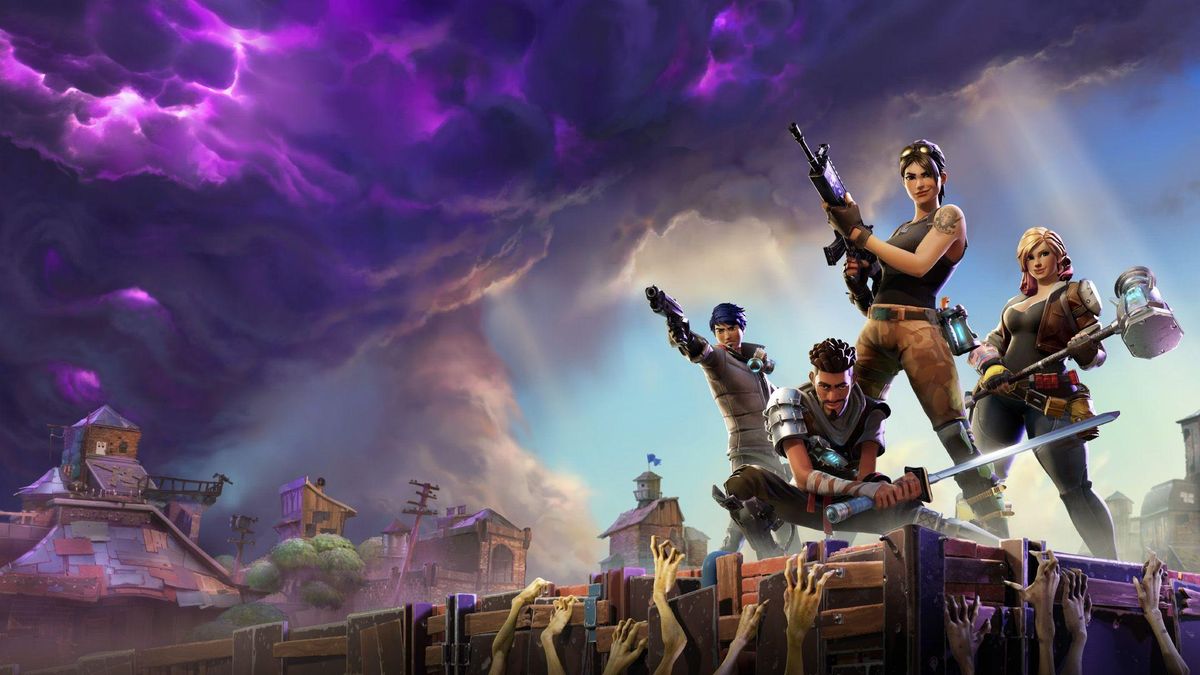
The gaming industry discovered what seemed like the perfect formula: create a game once, continuously update it, keep players returning for years, and build a billion-dollar ecosystem around it. And for a while, it worked perfectly. Games like Fortnite, Valorant, Genshin Impact, Call of Duty: Warzone, and Destiny 2 changed the way players experienced gaming. Constant updates, new characters, seasonal content, and community-driven improvements created worlds that felt alive. Every login promised something new. But where does it end?
The same features that made live-service games successful are now creating a new problem: player fatigue.
Modern gamers aren't running out of games to play—they are running out of time to keep up with them.
Players are now balancing multiple battle passes, daily missions, ranked seasons, limited-time events, and constant content drops across different games. What was once exciting has started feeling like another responsibility.
The pressure to stay active has become impossible to ignore.
Missing one week isn't just missing gameplay anymore—it's missing rewards that may never return. Taking a break doesn't feel like taking a break; it feels like falling behind.
The hardest part of live-service gaming isn't completing a battle pass anymore.
It's deciding which battle pass deserves your time.
The biggest challenge for developers in the future won't be creating more content. The challenge will be creating meaningful experiences that players genuinely want to return to.
Because in 2026, the question isn't whether live-service games can keep releasing new seasons.
The real question is:
Do players still have the time, energy, and excitement to keep playing them all?