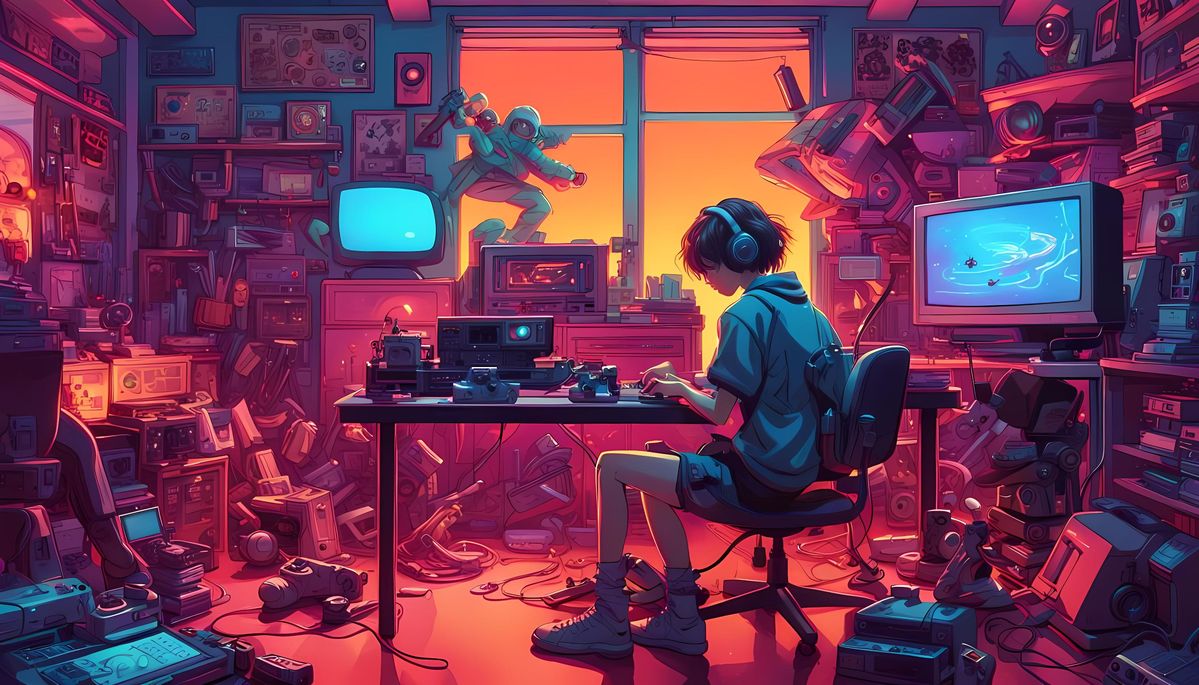
You spend hours improving your aim, perfecting your movement, and mastering game mechanics. But while you're leveling up in-game, your body may be paying the price in real life.
After a long gaming session, stiff wrists, a sore neck, and an aching back can start to feel normal. The problem is that these aches don't just affect your comfort—they can reduce your range of motion, make it harder to stay relaxed during gameplay, and, over time, increase the risk of repetitive strain injuries.
Long periods of sitting and maintaining the same posture place constant stress on your muscles and joints. Even if you're winning matches, your body is working overtime to stay in one position.
The good news? You don't need an hour at the gym to feel better. Just five minutes of targeted stretching before or after gaming can relieve tension, improve flexibility, and help you stay comfortable during longer sessions.
The 5-Minute Gamer Stretch Routine
1. Neck Side Stretch (30 seconds each side)
Tilt your head gently toward one shoulder while keeping the opposite shoulder relaxed. Hold for 30 seconds before switching sides. This stretch relieves neck tension and improves mobility after hours of looking at a monitor.
2. Chin Tucks (10 Repetitions)
Sit upright and gently pull your chin straight back without tilting your head. Hold for a second before releasing. Chin tucks help counteract "tech neck" by strengthening the muscles that support good posture.
3. Shoulder Rolls (10 Forward, 10 Backward)
Roll your shoulders slowly forward ten times, then reverse the movement. This simple exercise loosens tight shoulders, improves blood flow, and reduces stiffness in the upper back and neck.
4. Wrist Flexor and Extensor Stretch (20–30 seconds each side)
Extend one arm in front of you. Use your opposite hand to gently pull your fingers downward to stretch the top of the wrist, then upward to stretch the underside. These stretches help relieve tension caused by repetitive mouse, keyboard, or controller movements.
5. Finger Tendon Glides (10 Repetitions)
Move your fingers through a series of positions—from a straight hand to a hook fist, then a full fist, and back again. This improves finger mobility, reduces stiffness, and helps keep your hands comfortable during long gaming sessions.
6. Cat-Cow Stretch (30–45 seconds)
Start on your hands and knees. Alternate between arching your back upward (Cat) and lowering your stomach while lifting your chest (Cow). This movement improves spinal mobility and relieves tension built up from prolonged sitting.
7. Seated Spinal Twist (20–30 seconds each side)
Sit upright and gently rotate your upper body to one side, holding the stretch before repeating on the other side. This helps relieve stiffness in the lower and middle back while improving spinal flexibility.
8. Standing Forward Fold (30 seconds)
Stand with your feet shoulder-width apart and slowly bend forward, allowing your arms and head to hang naturally. This stretch lengthens the muscles in your back, hamstrings, and calves while helping your entire body relax.
Frequently Asked Questions
Should gamers stretch before or after gaming?
Ideally, both. Stretching before gaming prepares your muscles for long periods of sitting, while stretching afterward helps reduce stiffness and supports recovery.
How often should gamers stretch?
A quick stretch before longer gaming sessions is a great habit. During marathon sessions, stand up and move around every 45–60 minutes to prevent stiffness and improve circulation.
Can stretching prevent wrist pain from gaming?
Stretching can reduce muscle tightness and improve mobility, but it's most effective when combined with proper ergonomics, regular breaks, and a well-positioned keyboard, mouse, or controller.
What is the best stretch for gamers?
There isn't a single "best" stretch. A balanced routine that targets the neck, shoulders, wrists, back, and hips provides the greatest benefit for people who spend long hours gaming.
How long should a gamer stretch?
You don't need a lengthy workout. Even five minutes of stretching each day can improve flexibility, reduce stiffness, and make long gaming sessions much more comfortable when done consistently.
Gaming doesn't have to leave you stiff and sore. A simple five-minute stretch routine can loosen tight muscles, improve mobility, and help you stay comfortable whether you're grinding ranked matches, exploring massive open worlds, or streaming for hours.
Think of stretching as part of your gaming setup. Just like a good mouse, keyboard, or headset improves your experience, taking five minutes to care for your wrists, neck, and back can help you play longer, feel better, and recover faster.