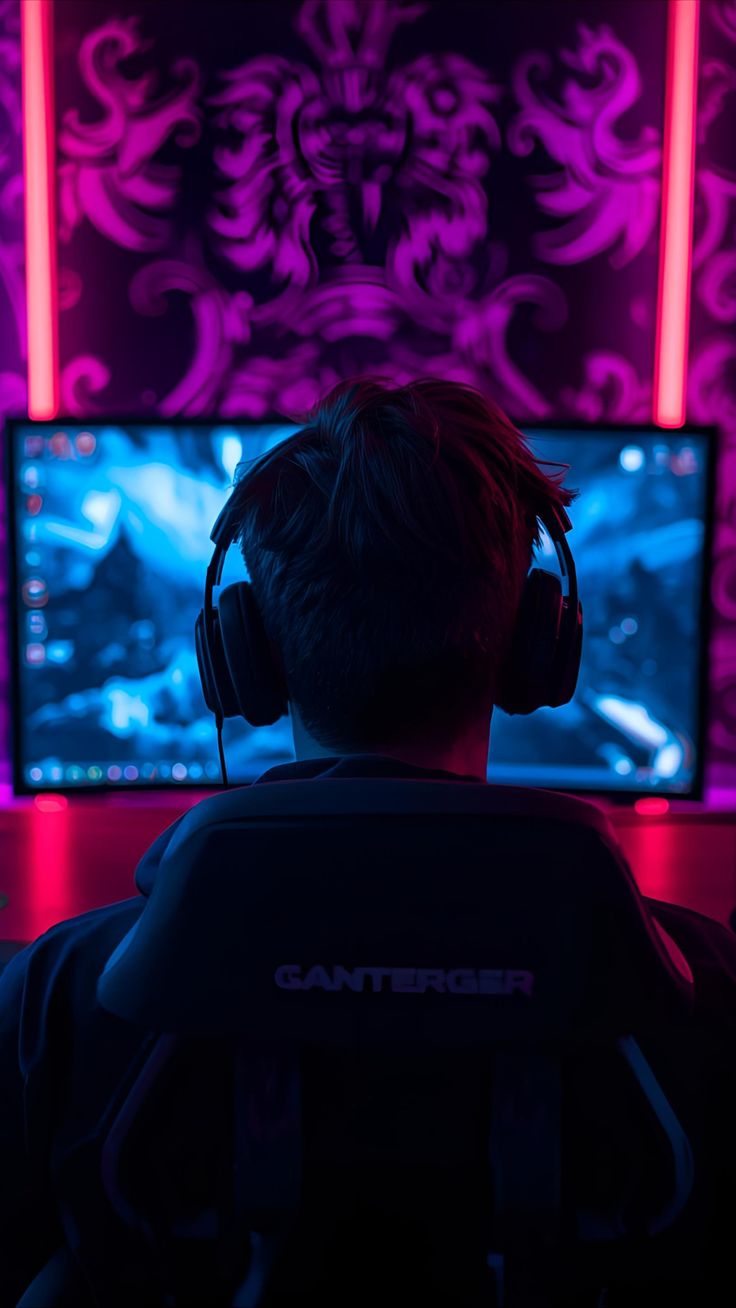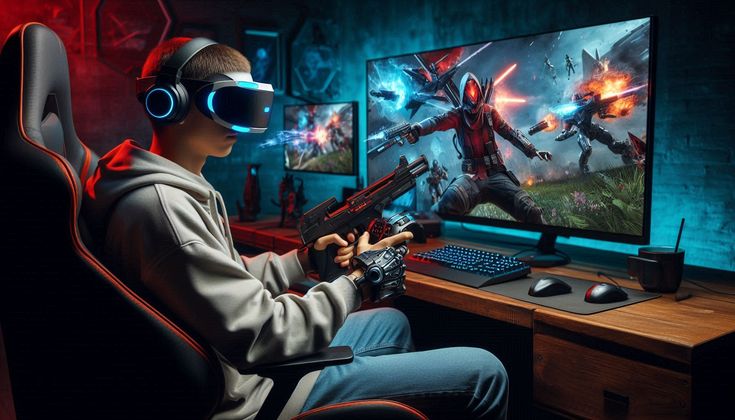
One more match. One more level. One more ranked game.
Five hours later, you're rubbing your neck, stretching your back, and wondering why your wrists feel like they've aged 20 years overnight.
The truth is, it's usually not the game that's causing the pain—it's your setup. Even the most expensive gaming PC or RGB-filled battle station can't save you from poor gaming posture. A monitor that's too low, a chair that's adjusted incorrectly, or a desk at the wrong height can slowly turn marathon gaming sessions into a recipe for neck, shoulder, and back pain.
Whether you're climbing the ranked ladder, streaming for hours, or exploring massive open worlds, your body stays in the same position for extended periods. Sitting incorrectly places constant stress on your muscles and joints. In fact, studies have found that more than 40% of esports players experience neck or back pain due to prolonged gaming and poor posture.
So, what's the fix? The gaming scene isn't the same without you, and taking care of your posture is just as important as upgrading your hardware.
Set the Right Chair Height
Your gaming chair is the foundation of an ergonomic setup.
Adjust it so that your feet rest flat on the floor, with your knees bent at roughly a 90-degree angle and your thighs parallel to the ground. This position evenly distributes your weight and reduces strain on your knees and lower back.
Support Your Lower Back
One of the biggest causes of back pain while gaming is poor lumbar support.
Your lower back naturally curves inward, and your chair should support that curve. If your gaming chair includes adjustable lumbar support, position it so it fits snugly against your lower back.
No lumbar support? No problem. A small cushion or even a rolled-up towel can provide surprisingly effective support during long gaming sessions.
Keep Your Backrest Slightly Reclined
Contrary to popular belief, sitting perfectly upright for hours isn't ideal.
A slight recline of 100–110 degrees reduces pressure on your spine while helping you stay comfortable during extended gaming sessions. Lean back and let your chair do some of the work.
Sit Like the Badass Gamer You Are
It's surprisingly easy to forget your posture when you're clutching a 1v4 or fighting a difficult boss.
Avoid leaning toward your monitor, hunching your shoulders, or perching on the edge of your chair. Even if the game keeps you on the edge of your seat, your back shouldn't be on the edge of your chair.
Sit all the way back, keep your shoulders relaxed, your elbows close to your body, and your head aligned with your monitor. Your future self will thank you.
Take Breaks—Your Body Needs Them
Even perfect posture becomes bad posture if you stay in the same position for too long.
Your muscles need movement just as much as your character does.
Follow the 30–30 Rule:
Stand up every 30 minutes.
Stretch for 30 seconds.
Roll your shoulders.
Walk around the room.
Relax your eyes by looking away from the screen.
These quick breaks improve circulation, reduce stiffness, and help you stay focused during long gaming sessions. Whether you're grinding ranked matches, exploring open-world adventures, or spending weekends gaming with friends, your setup plays a huge role in both comfort and performance.
A properly adjusted chair, correctly positioned monitor, and good gaming posture can prevent aches, improve focus, and make every session more enjoyable.
Remember: your gaming setup isn't complete when the RGB lights are synchronized. It's complete when your body still feels great after hours of play.
Your future self—and your back—will thank you.