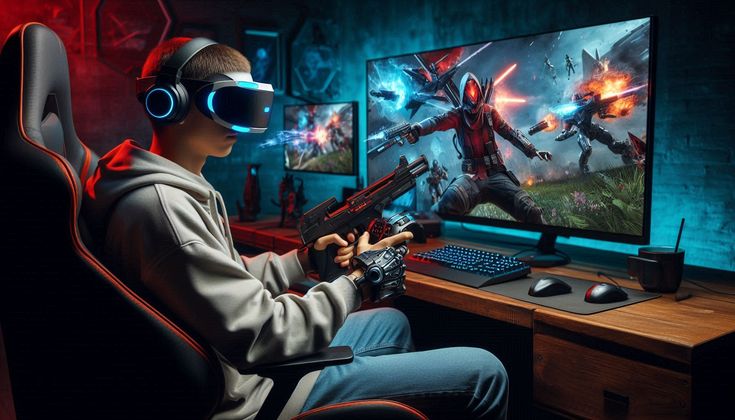

Gamers spend thousands on high-refresh-rate monitors, lightweight mice, mechanical keyboards, and low-latency headsets—all in pursuit of better performance. But there's one upgrade that's completely free, and many players ignore it every night: sleep.
If you're sacrificing sleep for "just one more match," you could be undoing the benefits of every piece of gaming gear on your desk.
Whether you're climbing the ranked ladder, grinding for achievements, or exploring an open world until sunrise, sleep plays a much bigger role in your gaming performance than you might think. It affects everything from your reaction time and focus to your decision-making and ability to learn new mechanics.
How Does Late-Night Gaming Affect Sleep?
Late-night gaming keeps both your brain and your eyes active when your body should be preparing for rest.
Digital screens emit blue light, which can suppress the production of melatonin—the hormone that signals to your body that it's time to sleep. At the same time, fast-paced gameplay, competitive matches, and exciting in-game moments keep your brain alert, making it harder to wind down after you've logged off.
The result? You may take longer to fall asleep, get less restorative sleep, and wake up feeling less refreshed.
How Lack of Sleep Hurts Your Gaming Performance
Sleep is when your brain processes information, strengthens memories, and recovers from the day's activities. Without enough quality sleep, your in-game performance can suffer in several ways:
Slower reaction time, making it harder to respond during fast-paced moments.
Reduced accuracy and aim, especially in competitive shooters.
Poorer decision-making, leading to rushed or unnecessary mistakes.
Difficulty concentrating, causing you to miss visual cues or lose track of objectives.
Increased frustration, making it easier to tilt after a few bad plays.
Even a single night of poor sleep can make gaming feel more difficult than usual.
How to Fix It
You don't have to stop gaming—you just need healthier habits.
Stop gaming 30–60 minutes before bed to give your brain time to relax.
Turn on Night Mode or a blue light filter during evening sessions.
Dim your room lights to help your body prepare for sleep.
Avoid caffeine late in the day, especially before bedtime.
Keep a consistent sleep schedule, even on weekends.
Stay off your phone once you're in bed, as scrolling can delay sleep even further.
Small changes to your nighttime routine can improve both your sleep quality and your gaming performance. Every gamer wants faster reactions, better aim, and smarter decisions. Many invest heavily in gaming peripherals to gain a competitive edge.
Yet one of the biggest performance upgrades doesn't cost anything.
Better sleep won't magically turn you into a pro overnight, but it gives your brain the recovery it needs to perform at its best. If you want to play better tomorrow, sometimes the smartest move isn't playing one more match—it's knowing when to log off.